Welcom Halloween 3D Svg: Laser-Cut Autumn Vibe
First Impressions: A Layered Autumn Statement
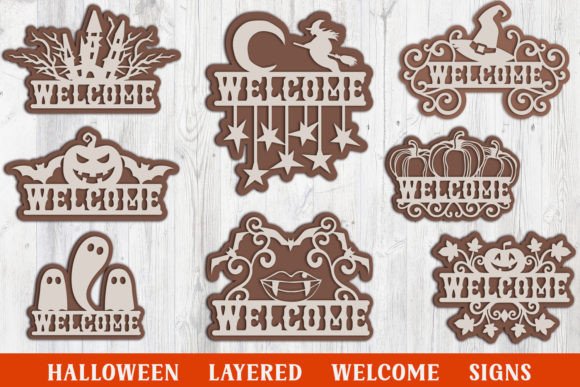
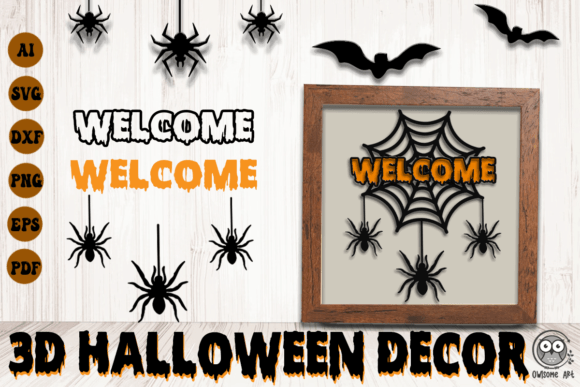
Opening the file for the first time, Welcom Halloween 3D Svg immediately reads as a bold, dimensional celebration of seasonal craft. The stacked-layer structure gives it a physical presence even on screen—shadow-like depth, crisp edges, and a confident silhouette that blends spooky lettering with classic autumn motifs. It doesn't feel like a flat digital stamp; it carries the weight of a hand-assembled sign or a premium laser-cut ornament. For a designer evaluating it against a creative brief, the mood is equal parts nostalgic and polished craft-fair charm.
What sets this apart from typical Halloween clipart is its structural intent. The layered format suggests it was built for laser cutting first, but that doesn't limit its digital value. In a client context—say, a boutique candle maker launching a pumpkin spice collection—the asset immediately sparks ideas. The type treatment feels like a carved wood welcome sign, while the surrounding decorative swirls pull in that crisp autumn atmosphere without going overly cute or childish. It's a capable bridge between handcrafted warmth and professional graphic design asset polish.
Where This 3D Halloween Asset Shines in Professional Projects
In my workflow, I test every design asset against real-world applications, not just how pretty it looks in a preview. Welcom Halloween 3D Svg performs best in large-format placements where its intricate layers can breathe. Think product label backdrops for seasonal candles or soaps, hero graphics on an Etsy shop banner, or the centerpiece of a fall market poster. The dimensional effect instantly elevates a flat layout, giving it a tactile, small-batch feel that resonates with handmade business branding.
I recently mocked it up for a client who runs a local pumpkin patch and needed a cohesive visual identity across signage, social media, and merch. Used as a giant welcome sign on a 24×36 poster, the layered SVG delivered exactly the kind of inviting, rustic statement we wanted. On Instagram posts, the PNG version became a rich, textured overlay behind product shots, adding seasonal depth without overpowering the photography. For packaging design, I dropped the stacked layer configuration into a die-cut label mockup and it read beautifully as a decorative brand emblem.
Beyond print, this works well as a digital product for print-on-demand sellers. The high-resolution PNG and vector formats slot right into Canva templates, making it easy to sell as part of a Halloween design bundle on creative marketplace sites. For crafters, the layered SVG and DXF files are ready for Cricut projects—think customized tote bags, wood signs, or even etched glass. The universal appeal lies in its flexibility: it's a printable design for wall art, a cut file for laser engraving, and a social media graphics element all in one ZIP.
The Layers: Unpacking the File Format Flexibility
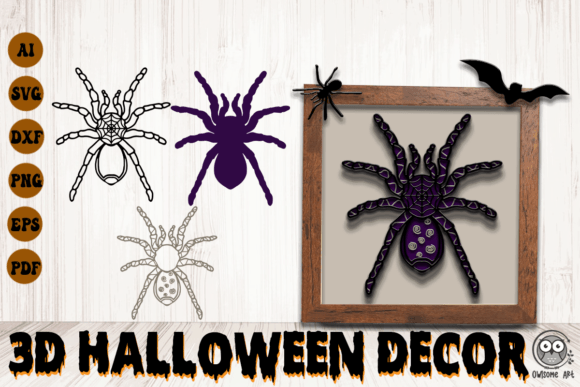
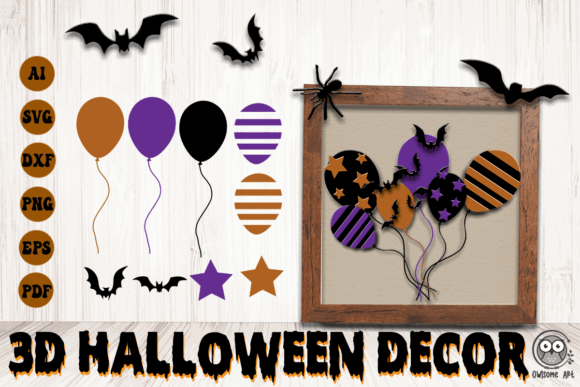
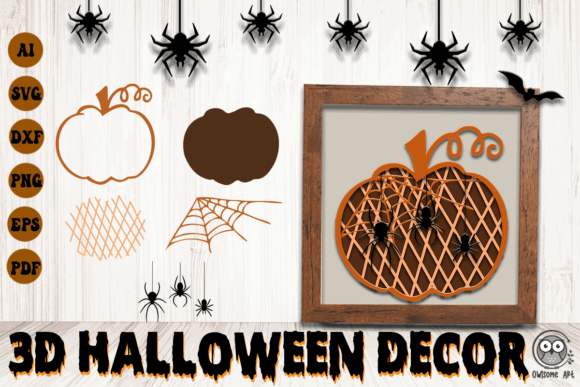
The single ZIP file includes a practical selection of formats that covers both digital and physical production. Inside, you'll find vector files—AI, EPS, DXF, SVG—a high-resolution PNG, and a PDF with both stacked and spread layers. This is exactly what a working designer needs. The AI and EPS are native, editable vector files that let you isolate individual layer elements if you want to recolor or simplify the design. The DXF is especially useful if you're sending the file to a laser cutting service or a CNC router, no conversion guesswork.
The SVG is clean and layers are well-named in my Illustrator test, which means you can quickly adapt colors for screen use or even animate individual layers for a web landing page. Having a spread-layer option alongside the stacked version is thoughtful—it lets you prototype the physical layering in a software preview without having to manually separate parts. For color mockups or printing on paper, the PDF with separate sheets speeds up assembly guides for a printable design product.
There's also a high-resolution PNG with transparency, which is crucial for quick placement in social media graphics or on a product mockup. One thing I always check: the PNG resolution holds up at 300 DPI on a 12-inch print, so you can use it as a primary element in sublimation designs or t-shirt design comps without visible pixelation. The file package overall feels like it was assembled by someone who understands both creative design and manufacturing needs.
When to Scale Up—And When to Pull Back
Every asset has an ideal zone. Welcom Halloween 3D Svg is a statement piece, not a supporting whisper. It demands space. I've seen it shine as a full-bleed poster element, a decorative panel on a product box, or a focal point on a Pinterest pin. In those roles, its intricate cut-studio style adds perceived value and a strong handcrafted aesthetic. Use it as a hero graphic on a website's seasonal landing page, and it instantly communicates cozy fall vibes before any copy is read.
However, I'd be careful using this in tight spots. At thumbnail size, as a tiny social media icon or a footer badge, the fine layered details blur into a muddy shape. The welcome lettering, while charming, loses legibility below about two inches in print. Similarly, placing it on a busy photographic background with low contrast kills the dimensional illusion—the drop-shadow effect built into the layers relies on a relatively clean backdrop. If you're working on a minimalist, corporate identity, this is probably too decorative and festive. But for a small business branding project that thrives on warmth and personality, it's right at home.
Another nuance: the design leans heavily themed, so it's not a year-round asset. Plan to use it strictly within the September–November window. For a client who sells seasonal subscriptions boxes, I'd slot this as the October unboxing insert design, not the core logo. Temper your visual hierarchy accordingly; let it be a bold accent, not the entire identity system.
Testing for Print, Web, and Laser Cut Precision
Before I ever deliver a client file, I run through a set of sanity checks. Black and white conversion is revealing—here, the design holds up fairly well because its contrast depends on shapes, not just color. In grayscale, the layered depth translates as varied line weights, which means it still works for single-color applications like a white heat-transfer vinyl on a dark tote bag. I also tested it inverted on a black background; the outline edges remain crisp, and the negative spaces create an eerily elegant effect perfect for Halloween candle labels.
Print tests on matte cardstock at both 100% and 25% scale confirmed that the vector integrity is there. No broken paths, no missing stroke weights. For laser cutting, I sent the DXF to a small shop for a sample on birch plywood. The result was a flawless, three-layer welcome sign that required no node cleanup. The spread-layer configuration meant the laser operator could cut each layer separately without any confusion about stacking order. If you sell Etsy product files, you can confidently include this as a ready-to-cut design.
For web use, the PNG works as a quick overlay, but I'd recommend converting the SVG to an optimized web vector or using the CSS-friendly version if you're building an interactive seasonal page. Since the SVG is fully editable, you can tweak the opacity of individual layers for a ghosted watermark effect on blog graphics or email headers. This kind of marketing visuals flexibility isn't always present in standard clipart packs.
Pairing with Typography for Cohesive Branding
The lettering in Welcom Halloween 3D Svg has a hand-drawn, almost storybook quality, so it pairs beautifully with complementary typefaces rather than competing display fonts. When I build a brand identity around this asset, I usually stick to a clean sans-serif for body copy—something like a geometric or humanist style—to let the decorative title sing. For a more artisanal vibe, a light script font underneath the main welcome message can enhance the homemade appeal without visual chaos.
I also tested it alongside classic serif fonts for a vintage Halloween poster concept. A Garamond-inspired secondary type gave the whole layout an antique bookplate feel, while the 3D SVG headline added that modern cut-paper twist. It's a useful exercise: if you plan to sell this as part of a design bundle, include a typography pairing guide. Creators who use Canva templates will appreciate knowing which fonts not to mix because the asset's own letterforms already carry strong personality.
Real Client Scenario: From Digital Concept to Laser-Cut Signage
Last week, a client asked me to develop an autumn market stall identity for their handmade preserves. They wanted something that felt seasonal, a little spooky, but still family-friendly. The core deliverable was a tabletop welcome sign plus coordinated price tags and social media posts. I pulled Welcom Halloween 3D Svg into the concept after testing three other assets; this one immediately gave the stall a boutique feel.
Using the AI file, I color-adjusted the layers to match their brand palette—deep plum, burnt orange, and cream. The stacked version became the primary sign design, laser-cut locally from maple veneer. The spread-layer PDF went to the client as a printable template for DIY touch-up kits they could sell. For the Instagram launch, I used the PNG as a semi-transparent frame around product shots, and the engagement was noticeably higher than their standard flat-color posts. The dimensional element simply stopped scrollers in their tracks.
I also repurposed the layered SVG as a sticker design for gift seals; the intricate edge worked beautifully as a kiss-cut shape. Across all these touchpoints, the asset maintained its modern design appeal while supporting the nostalgic, handcrafted story the brand needed. That kind of versatility is what I look for when investing in a commercial design file.
Licensing, Editability, and Practical Notes for Resellers
Before using Welcom Halloween 3D Svg in any client-facing work, always confirm the commercial license terms. Since this is a laser cutting-focused asset, many such files permit physical product sales up to a certain quantity, but digital redistribution of the unaltered file is typically restricted. If you're a digital seller on Etsy or a print-on-demand shop owner, you'll want to ensure the license covers end products like printed signs, sticker sheets, or sublimated items. Most designers I know keep a folder of these hybrid-use design assets precisely because one ZIP can feed multiple revenue streams.
On the technical side, the vectors are clean and fully editable. In Illustrator, layers are organized logically, and expanding or simplifying the grouped paths takes seconds. If you plan to create sublimation design transfers, the high-resolution PNG cuts out a lot of tracing work. Just be mindful of delicate lines in the layered areas; when scaling down for very small items like earrings or keychains, some fine details may need slight thickening. Test on a cheap material first—good advice for any laser cutting file.
Final Verdict on a Designer-Tested Autumn Asset
Welcom Halloween 3D Svg earns its place in a professional toolkit because it bridges two worlds with confidence. On one hand, it's a ready-to-cut physical product file that saves hours of layout work. On the other, it's a rich digital illustration that elevates editorial design, social media graphics, and packaging design with genuine autumn atmosphere. The file collection is generous, the layers are thoughtfully organized, and the overall visual quality is high enough to trust in client deliverables.
No asset is perfect for every brief, but for the right project—a fall festival identity, a Halloween pop-up shop, a seasonal subscription box redesign—this one delivers far more than generic clipart. It gives you a crafted, dimensional voice that feels deliberate. In a crowded creative marketplace, that kind of distinctive character is worth the download. I've already saved it into my "seasonal client kits" folder, and I suspect many other designers will do the same once they test its real-world potential.