Reviewing the Cross Mandala Laser Asset for Spring Projects
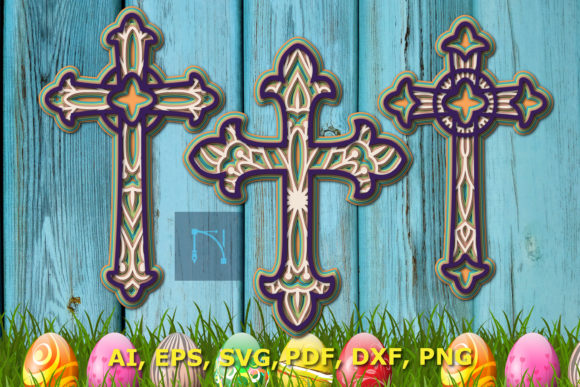
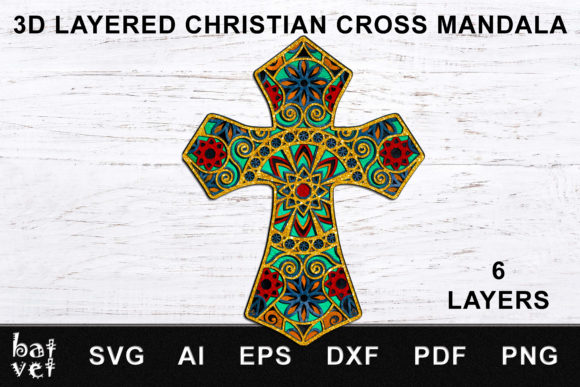
Opening the Christian Cross Mandala 3D Layered files, my first impression is one of intricate depth. This isn't a flat symbol; it's a graphic design asset built with purpose, offering six distinct layers that suggest craftsmanship and dimension before you even begin cutting. The mood is reverent yet ornate, blending traditional spiritual iconography with a detailed, almost lace-like mandala structure. It feels suited for projects that require a sense of heritage, artistry, and deliberate beauty.
A Natural Fit for Handmade Brands and Seasonal Collections
This asset immediately conjures a specific client profile. I imagine a small business specializing in handmade faith-based goods, a boutique launching a Spring-themed devotional product line, or a crafter preparing items for a local Easter market or event. The layered nature of the design speaks directly to laser cutting and layered media, making it a compelling centerpiece for an Etsy shop or a print-on-demand store focusing on meaningful merchandise.
Where This Mandala Elevates a Design Direction
In practical application, this Christian Cross Mandala 3D Layered design performs strongly as a focal point. For a brand identity system, it could serve as a powerful secondary logo or emblem for a faith-oriented handmade business. In packaging design, particularly for boxes, tags, or labels for candles, journals, or gifts, it adds an instant tactile, premium feel—even digitally. As a hero graphic for website banners or editorial design for a blog or publication, it commands attention and sets a solemn, decorative tone.
The provided file formats—the SVG, AI master file, and high-resolution PNGs—are crucial for professional flexibility. The vector files mean this asset can be scaled infinitely for large-format posters, flyers, or invitations without quality loss, while the PNGs allow for quick integration into social media graphics or Canva templates for a cohesive campaign look. For Cricut projects or sticker design, the separated layers are invaluable, allowing for multi-color cuts or layered vinyl applications.
Practical Performance Across Client Media
Let’s walk through real design situations. On a tote bag or t-shirt design, the mandala’s complexity can create a stunning, detailed centerpiece, especially for sublimation design. For product mockups, like a mug or decorative wall art, the 3D layered effect suggests physical depth, making the digital mockup feel more realistic. In web design, as a background element or decorative border, it can frame content with thematic weight. For Pinterest pins or Instagram posts promoting a Spring collection or event, it provides immediate visual recognition and emotional appeal.
The Considerations for Balanced Visual Hierarchy
However, with such detail, careful application is key. In small sizes—like on a small business card or as a tiny icon—the intricate lines may become lost or visually noisy. It requires ample space to breathe. Placing it on crowded layouts or complex backgrounds will compromise its elegance and muddy the visual hierarchy. For minimalist branding or very clean, modern design projects, this asset would likely be too ornate. It also may not align with ultra-professional corporate materials unless the brand’s core identity is explicitly rooted in this aesthetic.
Readability is paramount. When using this design asset alongside text, particularly for marketing visuals, it must be balanced. Pairing it with a simple, strong sans-serif font can ground it, while a delicate script might compete. Its role should be clear: is it the primary graphic, or a supporting brand element? Overuse could overwhelm the message.
Essential Designer Checks Before Client Use
Before committing this to a client project, I run a series of practical tests. First, I view it in black and white to ensure the form holds up without color dependency—essential for print cost considerations. I check contrast by placing it on both light and dark backgrounds; the fine lines need sufficient contrast to remain clear. I preview it at various sizes, from a large poster to a small social media avatar, to see where the detail breaks down.
I place it on actual project mockups—a book cover template, a packaging template, a website header—to judge its real-world impact. If print is involved, a test print at the intended size is non-negotiable to verify line integrity. I inspect the PNG transparency if used for digital overlays. Crucially, I open the Illustrator AI master file or SVG to confirm easy editability: can I adjust colors, separate layers further, or integrate it with other brand elements seamlessly? Finally, I always confirm the commercial license terms. Using a digital product for a client’s commercial design or product line requires unambiguous permission.
A Final Word on Professional Polish
Ultimately, the Christian Cross Mandala 3D Layered is more than clipart; it’s a structured illustration tool. When applied thoughtfully, it elevates a project by adding a layer of perceived craftsmanship and thematic depth. It can help a small business branding project feel curated and intentional, boosting visual trust. For the right client—one whose audience values symbolism, detail, and a sense of sacred artistry—this asset can be the cornerstone of a Spring campaign, a product collection, or a lasting brand element. It asks the designer to work with intention, respecting its complexity to harness its power. In the creative marketplace of digital design assets, this one has a distinct and purposeful place.