Evaluating the Laser-Cut Spring Butterfly SVG for Client Projects
First Impression: A Delicate, Seasonal Statement
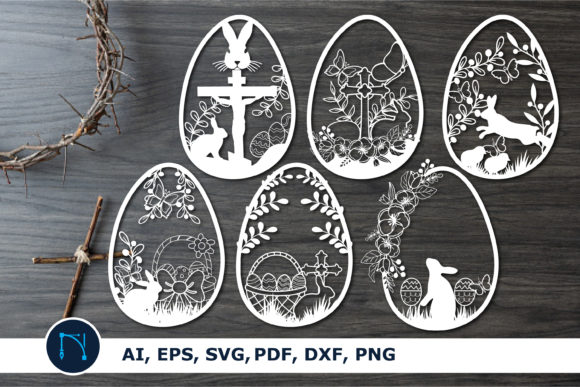
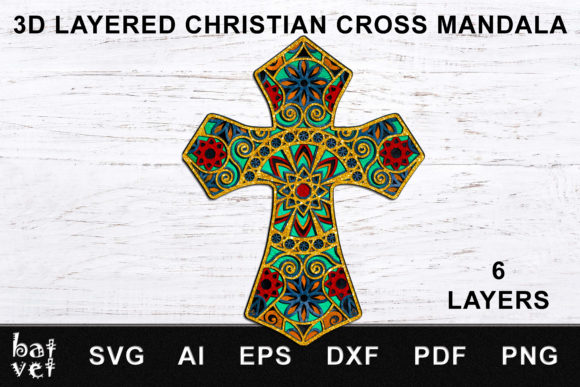
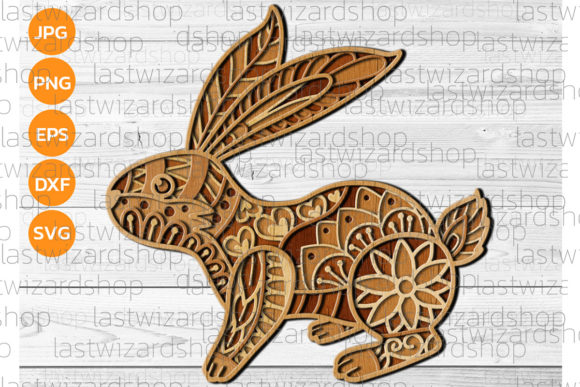
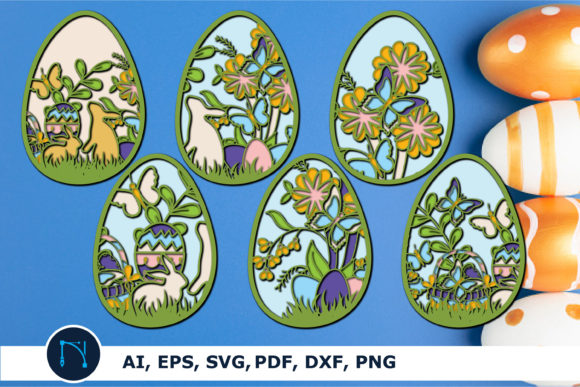
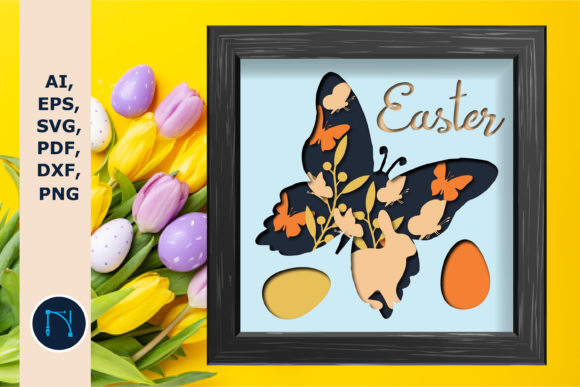
Opening the Easter Day Butterfly Shadow Box SVG files, my immediate reaction is one of layered elegance. This isn’t a flat graphic; it’s a composition designed for depth. The intricate butterfly silhouettes and organic linework create a mood of refined renewal—perfect for projects needing a touch of spring sophistication without being overly cute. It feels distinctly artisanal, leaning towards clients in the handmade business, boutique product lines, or brands wanting to evoke warmth and craftsmanship.
The Natural Fit for Branding and Seasonal Campaigns
In a real client scenario, say a small business launching a limited-edition spring product line, this graphic design asset becomes a versatile cornerstone. The vector files—SVG, AI, EPS—mean I can seamlessly integrate it into a complete brand identity system. I could adapt elements for a logo design for a floral shop, extract motifs for product labels on honey or candles, or use the full composition for packaging design that tells a story. For a seasonal campaign, it provides ready-made visual authority.
Where This Shadow Box Design Excels
This asset shines in applications where its detail can breathe. Think large layout areas like posters or website hero graphics. It’s ideal for printable designs like high-quality invitations or editorial design for a spring magazine feature. For social media graphics, particularly Instagram posts or Pinterest pins aiming for an engaged, aesthetic-driven audience, it offers instant thematic cohesion. In commercial design for print-on-demand, it translates beautifully to t-shirt design, tote bags, or mugs where the shadow box effect adds perceived value.
- Decorative Accents: Individual butterflies can be isolated for sticker design or packaging details.
- Themed Collections: It can anchor a suite of marketing visuals for a spring launch.
- Product Mockups: Placing this design on mockups for digital ads or Etsy product listings elevates the presentation.
Practical Considerations and Design Limits
Professionalism requires knowing an asset’s boundaries. The intricate nature of this Easter Day Butterfly Shadow Box SVG means it should be used carefully at very small sizes, as detail may become lost or muddy. In crowded layouts with complex text or other elements, it could compromise visual hierarchy. It’s less suited for minimalist branding or stark, professional corporate materials where clarity is paramount. On low-contrast backgrounds, some of the finer linework might fade, reducing impact.
Essential Designer Checks Before Client Use
Before committing this to a paid project, I run a series of tests. First, I preview it in black and white to ensure the form holds without color dependency. I check contrast on both light and dark backgrounds. Crucially, I place it on actual project mockups—a flyer, a web banner, a t-shirt template—to see how it scales. The provided file formats, including PNG with transparency and editable vectors, are a boon for this. I test print quality at different sizes. I also compare it alongside various font styles; it pairs beautifully with a clean sans serif for balance, or a subtle script font for a cohesive handmade feel, but might clash with a bold display font.
Impact on Readability, Emotion, and Brand Trust
Integrating such a distinctive asset affects the entire design. Its emotional appeal is high—it speaks of growth, beauty, and care. This can deepen audience engagement for the right brand. However, it must support, not dominate, the message. For readability, it should be positioned as a supporting brand element, not overlapping critical text. Its craftsmanship enhances visual trust, making a design feel polished and intentional. This strengthens the overall impression, suggesting the client invests in quality creative design.
Final Judgment: A Versatile Asset for the Right Project
The Easter Day Butterfly Shadow Box SVG is more than clipart; it’s a flexible design bundle for spring-themed commercial design. For clients in the creative marketplace—crafters, digital sellers, content creators—it offers immense utility, from Cricut projects to Canva templates. The key for a graphic designer is matching it to a project that needs its specific mood of delicate complexity. With a confirmed commercial license, it becomes a reliable, editable asset that can speed up production while elevating the final visual mood. In my review, it passes for real client work where the brief calls for an authentic, layered celebration of spring.