Gnome with a Potion 3D SVG: A Designer's Honest Review
First Impressions and the Mood This Little Character Creates
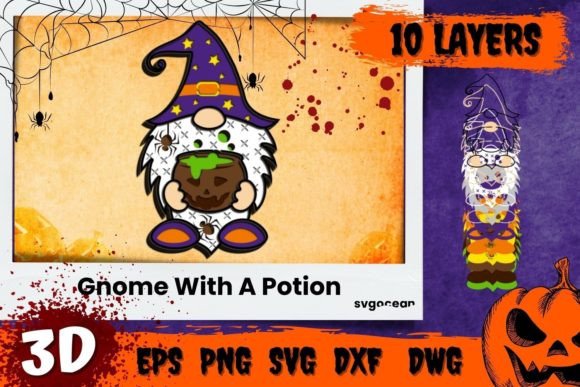
There is something immediately warm about opening a file like Gnome with a Potion 3D SVG. Before I even load it into my software, I can tell this one leans hard into cozy autumn storytelling. The gnome figure, clutching a small potion bottle, feels less like generic seasonal clip art and more like a character with a quiet narrative. That matters when you are stitching for customers who want their handmade items to feel intentional, not mass-produced.
From an embroidery designer's perspective, the composition reads clearly. The gnome's silhouette is distinct. The potion element adds a focal point that breaks up what could otherwise be just another bearded figure. For anyone who designs custom apparel, boutique baby gifts, or holiday embroidery pieces, that little bottle makes the design memorable. It gives the finished stitch a conversation starter.
The 3D layering concept, which the SVG bundle supports, also shapes how I think about fabric placement. A design like this wants depth. It does not want to sit flat and passive on a sweatshirt. I immediately start picturing how satin stitch borders will frame each layer, how fill stitch density can vary between the gnome's hat and the glass curve of the potion, and how much stabilizer I will need to keep everything crisp without puckering on a knit surface.
Where This Design Feels Most at Home in Real Embroidery Work
I tested this design conceptually across several of my regular product categories before ever committing needle to fabric. My baseline question is always the same: what does this file actually want to become once it leaves the screen? For Gnome with a Potion 3D SVG, the answer came quickly.
This design belongs on autumn kitchen textiles first. A thick woven tea towel, maybe in oatmeal or rust, would hold the layered stitching beautifully. The gnome's rounded shapes contrast nicely with the grid of a towel hem, and the potion theme naturally fits kitchen gift sets, mulling spice bundles, or fall hostess presents. I can already see a set of three towels, each with a slightly different thread palette, sitting on my craft fair table.
It also works well for tote bag design projects. A natural canvas tote with this gnome stitched large on one side feels like a product a customer would grab without hesitation. The design fills space without feeling crowded. On a smaller scale, I have been mentally mocking it up for baby bibs and nursery decor items. The potion is whimsical enough to feel magical rather than spooky, which widens the buyer audience significantly. Parents shopping for personalized baby gifts often want something sweet with a tiny bit of personality, and this gnome walks that line well.
For apparel decorators working on sweatshirts, the design holds its own on a crewneck chest placement. I would keep the hoop size moderate, probably no smaller than 4x4 to preserve detail in the gnome's hands and the potion bottle neck. Any smaller and those delicate intersections risk turning into a blurry mess of thread, especially on textured fabric like fleece or French terry.
A Real Project Scenario: The Autumn Craft Market Rush
Let me walk through how I actually thought about this design last week. I was preparing inventory for an early autumn market, the kind where customers come looking for personalized gifts and seasonal home accents. I needed something fresh that fit my existing rustic style but did not repeat last year's pumpkin overload.
I pulled up Gnome with a Potion 3D SVG and started sizing it for a linen apron. The long beard shape worried me at first. Beards with narrow, vertical running stitches can look sparse or uneven if the density is not dialed in. But after adjusting the stitch angle and testing a scrap piece with two layers of cutaway stabilizer, the beard read clearly even from across the room. The potion bottle, done in a subtle metallic gold thread against a muted plum apron, popped exactly the way I wanted. Customers noticed it immediately once the apron was on display. They did not just see a gnome. They saw a handmade product with character.
I also stitched a patch version to sew onto a canvas zipper pouch. For embroidered patch projects, I digitized a light satin border around the outer edge and trimmed close. The 3D layered structure of the original SVG translated well into stacked applique, with the hat sitting slightly proud of the face and the potion layered on top of the beard. The finished patch felt substantial. It is exactly the kind of small craft business item that sells quickly at markets because the price point is accessible but the perceived value is high.
Visual Appeal, Stitching Clarity, and How Buyers React
One thing I pay attention to as a designer is how a customer's eye moves across a finished product. With this gnome, the eye starts at the tall pointed hat, drops to the round nose, follows the beard downward, and lands on the potion. That is a clean visual path. It means the design photographs well for Etsy listings and does not confuse the viewer. For a small shop product, that clarity can make or break a listing photo.
Stitching clarity holds up best when you keep the thread palette controlled. I tested a monochrome version in deep forest green on cream fabric, and it looked like a sophisticated woodcut illustration. Then I tried a three-color version with ochre, brick red, and charcoal. Both worked. The key is that the design does not rely on twelve colors to communicate what it is. The silhouette carries the message, which is a sign of strong visual design for machine embroidery design work.
Buyer recognition matters too. Gnomes are having a long moment in gift markets, and the potion element gives this one a slightly different angle than the standard garden gnome. It reads more as a magical apothecary character, which fits mason jar gifts, candle labels, and kitchen displays. Customers who browse my handmade shop often pick up items because they feel connected to a story, and this design supplies just enough narrative to trigger that response without being overly complicated.
From a brand consistency perspective, I appreciate that the design has a hand-drawn quality. It does not feel like a sterile vector that was converted without thought. The beard lines have movement. The potion bottle has a slight organic curve rather than perfect geometric symmetry. These subtle details make the finished embroidery feel more artisan and less machine-perfect in a flat, lifeless way. For creative entrepreneurs who sell the experience of handmade, that character matters deeply.
Where You Need to Be Extra Careful With This Design
No design is universal, and honestly, I would not run this file on every substrate without testing first. The potion bottle detail and the narrow beard segments are the two areas I flagged immediately. If you are working on a textured fabric like a waffle weave towel or a heavily napped sweatshirt, small details can disappear under thread build-up or get lost in the fabric pile. I would test your stitch density on a scrap before committing to a full project on those surfaces.
Stretchy fabrics also demand attention. The layered nature of a 3D SVG means you are essentially building up thread in some areas. On a thin cotton jersey t-shirt, that build-up can cause pulling if your stabilizer choice is not firm enough. I default to a no-show mesh stabilizer backed with a temporary adhesive spray for those projects, but I still run a test stitch first. The design is not problematic by nature, it just requires the same respect any layered applique design would demand.
Curved surfaces like cap embroidery are another area where I would proceed thoughtfully. The gnome's tall hat naturally wants vertical space. On a structured cap with a center seam and limited stitching height, you might need to scale the design down more than ideal, and that will affect how the potion bottle reads. If the bottle neck becomes too compressed, it can look like an odd blob rather than a recognizable shape. I would recommend testing a sewn sample at actual cap size before offering it in your cap product line.
Dark fabric backgrounds also deserve a second look. The gnome's beard, especially if stitched in white or cream thread, can lose definition on a black garment if the thread colors are not chosen with contrast in mind. I often run a quick black-and-white mockup in my embroidery software just to check how the shapes read in high-contrast conditions. It is a five-minute sanity check that saves me from wasting expensive blanks.
Small Details That Affect Professional Results
I cannot say enough about the importance of stabilizer on a design like this. Even though the original file type is labeled under Laser Cutting formats, the visual structure suits embroidery well, and the layered composition means you need steady fabric support throughout the entire stitch run. I use two layers of medium cutaway for dense areas and switch to a tearaway for lighter fill sections if I am separating the design into multiple stitch passes.
Thread selection also makes a noticeable difference. The potion bottle is a great opportunity to use a subtle variegated thread or a soft metallic filament thread. Even a slight sheen on that element makes the finished embroidery project feel more dimensional and special. On a baby blanket or nursery pillow cover, a soft pastel thread on the potion adds just enough magic without overwhelming the softness of the piece.
Practical Designer Notes Before You Use or Sell This Design
I always advise other makers and small business owners to test first, sell second. Run this design on the exact fabric and stabilizer combination you plan to use in production. Check how it looks after a wash cycle. See if any thread ends poke up after drying. These are the small quality steps that separate professional custom apparel decorators from hobbyists who sell a few items on the side.
If you plan to use this design in commercial embroidery projects or sell finished items on platforms like Etsy or at local markets, confirm the licensing terms. The product description for Gnome with a Potion 3D SVG mentions the bundle includes SVG, PNG, EPS, DXF, and DWG files, which covers a broad range of uses from cutting to printing. However, you should always verify explicitly whether the license allows for commercial sale of finished physical products. Most SVG bundle sellers offer this, but do not assume. Read the included license file.
For digital product sellers and those who create printable mockup previews, the PNG files in the bundle are useful for creating listing images quickly. Just remember that what looks clean on a screen preview does not always translate to thread. Keep your customer expectations honest by showing them an actual stitched sample rather than only digital renderings.
If you are digitizing this design yourself from the provided SVG outlines, double-check that your digitizing software handles the layer separation cleanly. Some auto-tracing tools will merge fine details like the fingers or potion rim together if the original vector has tight spacing. Manually review those small connection points before generating your stitch file. A few minutes of careful editing upfront will save you from ripping out stitches later.
I also recommend keeping notes on your specific settings whenever you get a great result. Record your hoop size, thread brand, stabilizer type and layers, machine speed, and tension adjustments. If you stitch this design again six months later for a wholesale handmade product order, you will thank your past self for the documentation. Consistency across batches builds customer trust and reduces your production stress.
Who This Design Works Best For
After evaluating it from multiple angles, I believe Gnome with a Potion 3D SVG serves a few specific creator types especially well. Etsy sellers who focus on seasonal kitchen decor, autumn baby gifts, and personalized linen items will find it a reliable addition to their fall listings. Craft fair vendors who need products that catch attention quickly will benefit from the design's strong silhouette and layered dimension. Apparel decorators offering boutique sweatshirt collections can build a cozy magic-themed mini capsule around this single gnome character.
It is less suited for ultra-miniature placements, highly textured industrial fabrics, or projects where you need photographic realism. But that is not a flaw. It is simply a design with a clear identity, and the best projects happen when you match that identity to the right product, the right fabric, and the right customer. For Autumn launches, the design feels seasonally relevant without being a one-month novelty. That gives your inventory a longer selling window, which as any small business owner knows, is always a practical advantage.