Evaluating a Laser-Cutting Friendly 4th of July Papercut Design for Signs
A Seller's First Impression and Niche Appeal
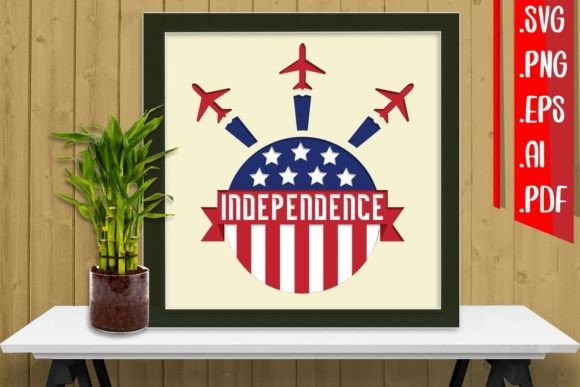
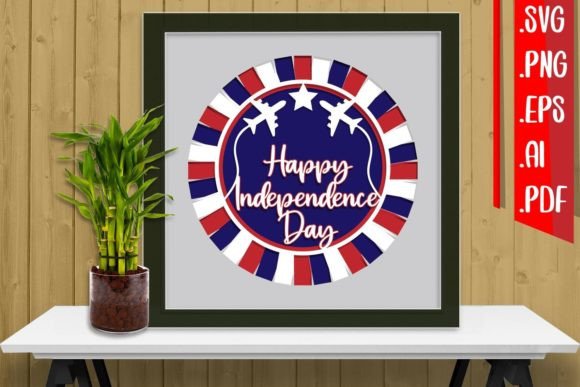
Opening the zip file for the 4th of July Layered Papercut 7 Svg Eps, my immediate impression is one of festive, classic Americana. The design leans decorative and handmade, with a strong visual personality suited for rustic, patriotic, or celebratory branding. This isn't a minimalist, modern graphic; it's a traditional, layered papercut aesthetic. The mood is unabashedly festive and nostalgic, which will resonate with a specific buyer audience: customers looking for heartland-themed decor, commemorative gifts, or vintage-inspired celebration items. For my online shop, this asset feels like a strong candidate for a seasonal digital product collection targeting crafters, home decor enthusiasts, and small businesses running July promotions.
Real-World Product Applications for Sellers
As a digital product creator, my job is to map a graphic design asset to sellable formats. The layered structure and included file types make the 4th of July Layered Papercut 7 Svg Eps exceptionally versatile. My product testing plan starts with these applications:
- SVG Products: This is prime for laser-cut wooden signs, acrylic ornaments, or layered paper craft kits. The clean vector paths in the SVG and EPS files are crucial.
- Printable Designs & Digital Downloads: The high-resolution PNG allows for instant digital downloads like printable wall art, greeting cards, and invitation templates.
- Sublimation Designs & Merchandise: I'll test this as a t-shirt graphic, mug design, and tote bag print. The bold colors and clear shapes usually translate well.
- Canva Templates & Social Media Graphics: Importing the PNG into Canva lets me build promotional visuals, blog graphics, and social media templates for a July marketing campaign.
- Cricut Projects: For crafters, this can become sticker designs, planner stickers, or scrapbooking kit elements. I need to verify the cut lines are clean and not too intricate.
The key is not to use it for everything, but to find its strongest commercial fit. Given the description mentions a papercut design, its natural home is in physical, decorative products like signs or ornaments, but the digital versatility opens many doors.
Leveraging the Design for Professional Product Presentation
In the competitive creative marketplace, presentation is sales. This 4th of July design can elevate a product listing. Its detailed, layered composition creates visual interest for mockup previews. When I place it on a mockup of a wooden sign or a printed greeting card, it adds perceived value and helps with visual storytelling. For a seasonal collection, using a consistent design asset like this across a bundle of products—say, a sign, a card, and a t-shirt—builds brand consistency and customer trust. A strong, recognizable thumbnail can significantly improve click-through potential on Etsy or other platforms.
Where This Asset Works Best and Where to Be Cautious
Based on the file types and style, this graphic design asset works best in applications that showcase its detail and color.
- Large Product Previews: It shines in full-size mockups for wall art or large signs.
- Themed Bundles: It's perfect as a core visual for a 4th of July digital product pack.
- Decorative Layouts: Excellent for printable products where the design is the focal point.
- Merchandise Graphics: Works well on products like mugs or totes where the print area is generous.
However, I must use it carefully in certain contexts:
- Tiny Details: The intricate layers might become lost or muddy if scaled down for tiny sticker details.
- Crowded Thumbnails: On a small listing image, the complexity could reduce clarity.
- Low-Resolution Outputs: Always use the high-res files for print-on-demand to avoid blur.
- Cutting Projects: For Cricut or Silhouette, I need to test a small cut first to ensure all layers separate cleanly without overly complex paths.
Practical Seller Notes Before Publishing
Before I list any product using this asset, I run a series of real-world tests. This is the non-glamorous, business-minded work that prevents customer issues.
First, I test the design on multiple mockups across different product types—a light wood sign, a dark tumbler wrap, a white t-shirt. This checks contrast and overall appeal. I preview the PNG as a marketplace thumbnail to see if it remains enticing at a small size. I do a test print, even just at home, to verify the colors render as expected and aren't too reliant on specific printers.
For the SVG, I open it in design software to inspect the layer organization and cut quality. Are the paths closed and clean for laser cutting? I confirm the PNG transparency is true and doesn't leave a white fringe. Crucially, I organize the delivered files clearly if I'm reselling them as a digital download, so my customers don't get confused by the multiple formats.
Finally, I experiment with typography pairing. This design likely pairs well with a sturdy serif font for a traditional look, or a clean sans-serif for a slightly more modern twist. A script font could enhance elegance for invitations. I confirm the commercial licensing terms of my source asset before I sell any finished products derived from it. Only after these checks does the 4th of July Layered Papercut 7 Svg Eps move from a potential asset to a reliable part of my commercial design toolkit.
Building a More Professional Product Collection
Ultimately, a single well-vetted design asset like this contributes to a more professional-looking online shop. It allows me to create cohesive seasonal collections quickly. By using the same core visual across a sign SVG, a printable PDF, and a social media template, I build a mini-brand for my July offerings. This consistency aids in small business branding and creates a stronger visual hierarchy in my storefront. It tells customers I've put thought into my digital products, which builds trust. For fellow creative entrepreneurs, the value isn't just in the graphic itself, but in its thoughtful application across a range of sellable products, from digital downloads to physical merchandise, all supported by solid file formats and a clear commercial use case.