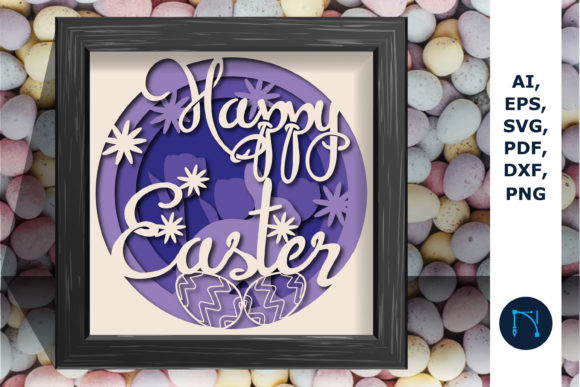
3D Multi-layer Easter Day Shadow Box SVG
There’s something instantly welcoming about a design that balances structured layering with soft seasonal charm. The first time I opened the 3D Multi-layer Easter Day Shadow Box SVG, I didn’t see a flat cut file. I saw potential. The interplay of cutout silhouettes, Easter motifs, and gentle springtime shapes already had me thinking about how it would translate onto fabric—not as a paper craft, but as a layered appliqué embroidery project.
Because that’s the lens I always use. I don’t judge a design by how it looks on a screen. I judge it by how it will sew out, how it will hold up on a tote bag or a baby onesie, and whether it will make a customer pause long enough to add something to their cart. This SVG bundle, originally created for laser cutting, carries a lot of that real-project promise for anyone willing to adapt it thoughtfully.
First Stitch Impressions and Seasonal Personality
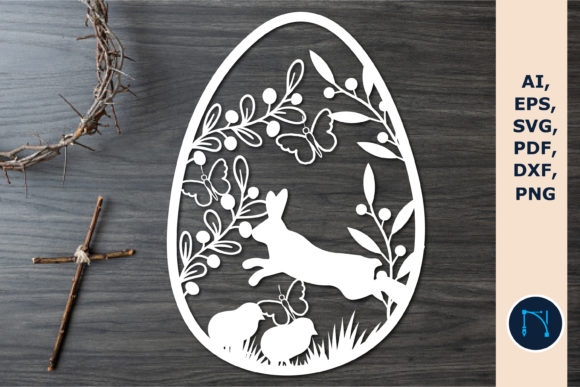
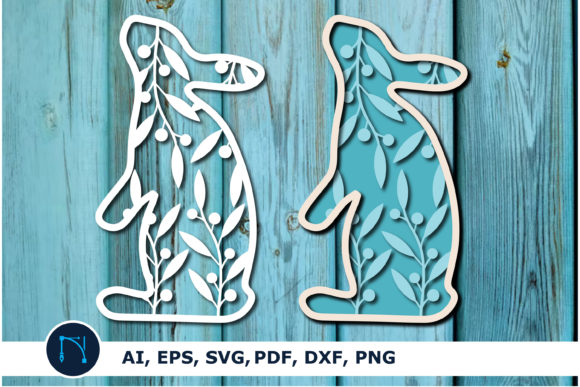
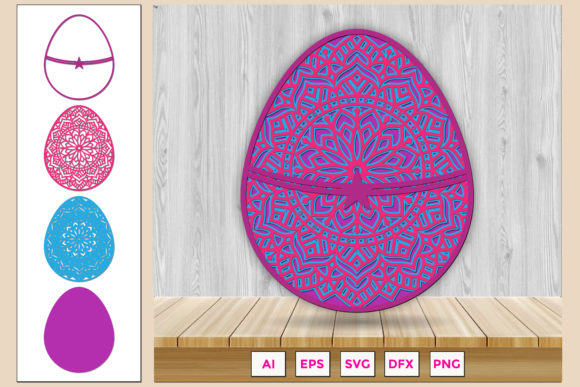
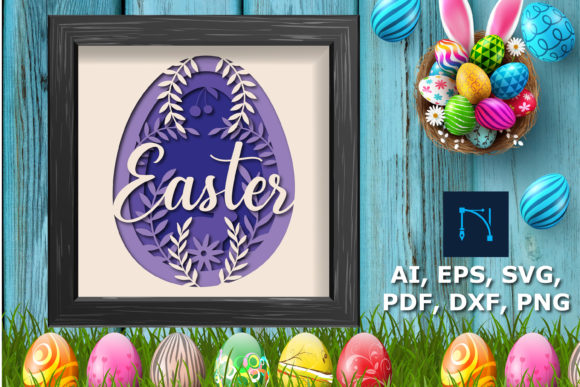
The mood is unmistakably Spring. But it’s not generic. The layered shadow box concept gives the Easter theme a dimensional, almost diorama-like feel. You have an egg-shaped frame, likely a bunny or chick silhouette nestled inside, floral accents, and that clever negative space that makes multi-layer designs so visually rich.
For embroidery, that translates beautifully into a combination of appliqué layers, decorative satin stitching, and open areas that let the base fabric breathe. I could immediately picture it on a natural linen pillow cover, where the fabric becomes part of the design’s background, or on a soft pastel sweatshirt where the layers build a gentle, handmade look.
It’s not a loud, cartoony Easter graphic. There’s restraint here. The cutout details feel intentional, giving the design a boutique quality that would appeal to anyone shopping for nurseries, spring gifts, or holiday home décor.
Thinking Beyond Paper: Embroidery Adaptation Reality Check
I know what some makers might be thinking. “It’s a laser file. Can I even use this for my embroidery machine?” The answer is a confident yes, but with a smart workflow. The 3D Multi-layer Easter Day Shadow Box SVG arrives in multiple formats—SVG, PNG, DXF, AI, EPS, and PDF—all packaged in a single zip. That’s a huge advantage. You can import the vector layers directly into embroidery digitizing software to create precise appliqué shapes and stitch paths.
I’d approach each layer as a separate fabric piece, using a light satin stitch edge to secure the raw appliqué edges. The outermost egg or wreath shape becomes the foundation, while inner details like leaves, flowers, or a bunny silhouette sit on top, each adding depth without making the final embroidery too heavy. Because the original SVG gives you clean, scalable paths, tracing and converting to stitch files feels fluid, not frustrating.
One practical note: you’ll need to decide on the final embroidery size carefully. Multi-layer designs with several overlapping appliqué sections can bulk up fast. I prefer to limit the total layer stack to three or four for garments, maybe five for a decorative wall hanging or a sturdy tote bag that doesn’t need to drape softly.
Where This Design Would Live Happily in a Maker’s Catalog
After testing the concept mentally against my usual product lineup, a few clear winners emerged.
- Tote bags and canvas pouches – The structured layers pair beautifully with heavy woven fabrics. A natural or cream tote with this shadow box design embroidered in the lower corner becomes an instant spring accessory.
- Pillow covers and nursery decor – A larger embroidery on a soft cotton or linen pillow gives the multilayered Easter scene room to breathe. The negative space keeps it airy rather than overbearing.
- Embroidered patches – Iron-on patches made from this design feel collectible. The dimensional effect makes them look far more expensive than a flat printed patch.
- Holiday sweatshirts and t-shirts – Pastel or heather gray garments let the thread colors pop. Just keep the overall design size moderate to avoid stiffness across the chest.
- Kitchen towels and tea towels – A miniature version would work beautifully as a corner accent, bringing a spring table vibe without dominating the towel.
I’d avoid using this on items that require extreme stretch recovery, like thin jersey baby leggings, or on heavily textured fabrics where the layered edges could snag. Caps and hats are possible but tricky—the small curved surface might distort the crisp silhouette unless you reduce the design significantly and test your hooping very carefully.
A Real Scenario: The Custom Tote Bag That Sold Out
Let me walk you through how I’d actually use the 3D Multi-layer Easter Day Shadow Box SVG in my own shop. I recently needed a fresh Easter product that wasn’t a traditional cross or a cheesy bunny face. A client asked for something elevated—a giftable tote that felt like a piece of art, not a craft kit.
I took the SVG layers, sized the design to about five inches wide, and digitized three fabric layers: a pale robin’s egg blue base egg shape, a cream bunny cutout in the center, and tiny periwinkle fabric flowers on top. I used a narrow satin stitch in a soft taupe thread to outline each appliqué, which gave it a subtle shadow-box effect. The tote itself was a heavyweight natural cotton with visible weave, and I backed the embroidery with a no-show mesh stabilizer to keep it flat after stitching.
The result? It looked like a miniature embroidered shadow box you’d hang on a wall. Customers reacted immediately. That tote sold out at two spring markets and became the most-requested custom order for Mother’s Day baskets. The design’s built-in layers made it feel high-end, and the SVG origin meant I had unlimited flexibility to resize and recolour without losing sharpness.
That’s the real test of any digital asset: not just what it looks like, but what it enables you to make. This one passed, and then some.
Thread Color, Fabric Texture, and Contrast Notes
I can’t overstate how much the underlying fabric and thread choices will affect this design’s personality. Because the shadow box style relies on cutout areas, you’re essentially creating a frame through which the base fabric peeks out. That means your fabric color becomes an active part of the design.
On light fabrics, the layers pop cleanly. On darker fabrics, you might lose the depth if your appliqué colors are too similar. I’d recommend always testing a paper mockup first—simply print the layers on regular paper, cut them roughly, and layer them on different colored swatches to see how the contrast works.
Thread color selection matters just as much. For satin stitch edges, I usually pick a tone that’s one shade darker than the appliqué fabric so the outline is visible but not harsh. The design’s fine internal cutouts, like flower centers or tiny leaf veins, might translate into small fill stitch areas or delicate running stitch accents. Those details demand a thread that won’t bleed or fuzz after washing, so high-quality polyester or a soft cotton-wrapped poly blend is a smart move.
Small Details, Big Impact: What to Watch Out For
One area where I slow down and double-check is the smallest cutout elements. In a laser file, tiny slivers and intricate negative spaces look crisp on wood or acrylic. On fabric, those same micro-details can become puckered, misaligned, or lost if your stitch density isn’t dialed in perfectly.
Before committing to a full stitch-out, I run a test on scrap fabric. I check if any appliqué pieces are so small they’ll be a nightmare to position and fuse. I also digitize a basting box around the whole design to hold everything in place during the multi-step process. For layered designs, especially those originally meant for laser cutting, I’ll often simplify the smallest interior cutouts to avoid fabric distortion.
The other practical tip: watch your hoop size. If the finished embroidery pushes close to the hoop’s edge, you risk the fabric shifting between layers. A slightly oversized hoop gives you breathing room, and a firm sticky-back stabilizer does wonders for alignment across multiple appliqué stages.
Buyer Perception and Branding for Small Shops
When I imagine a customer scrolling through an Etsy listing, the 3D Multi-layer Easter Day Shadow Box SVG used as an embroidery pattern communicates something clear: this is a carefully crafted item, not a mass-produced print. The dimensional feel sets it apart from flat iron-on decals. That’s a trust builder.
For sellers, the design also lends itself to beautiful presentation. You can show the embroidery on a lifestyle background, with a sprig of fresh greenery or pastel eggs nearby, and the listing instantly feels curated. Even product photos of a handmade product like a patch or a framed hoop art carry that gallery feel, which helps with branding and repeat customer interest.
One more thing: because the SVG file is resizable, you can create a matching set—a child’s sweatshirt, an adult apron, and a kitchen towel all featuring the same shadow box motif in different sizes. Consistency like that builds a brand identity fast.
Commercial Use Thoughts and Practical Cautions
I didn’t see explicit commercial licensing terms listed with the product, so I feel compelled to say this: always confirm the license before selling finished items made from the design. The file set includes SVG, PNG, DXF, AI, EPS, and PDF formats, all delivered in one zip. That’s generous for design flexibility, but generous file delivery doesn’t automatically equal full commercial rights. Check with the seller. If you plan to sell digitized embroidery files derived from this SVG, you absolutely need written permission. Many original creatives are happy to grant it, but assuming can lead to trouble.
For physical products only—sewn and sold as tangible goods—most craft-friendly licenses allow it. Still, do your due diligence. Nothing hurts a small business more than a copyright strike over a best-selling design.
Final Maker’s Take: A File That Earns Its Place in Your Library
I don’t say this lightly: the 3D Multi-layer Easter Day Shadow Box SVG deserves a spot in your design assets collection if you love turning seasonal themes into tactile, dimensional embroidery. It pushes you beyond simple flat fills and asks you to think in layers, fabric choices, and negative space. That’s a skill that transfers to every project you do afterward.
The multi-format delivery means you can use it not just for embroidery, but also for printable mockups, packaging tags, or even as a stencil for fabric painting if you want to mix media. And the springtime mood is broad enough to stretch from Easter into general seasonal décor, baby gifts, and even wedding accents if you recolor thoughtfully.
Test it first, mind your stabilizer, and don’t be afraid to simplify the tiniest details for fabric. Do those things, and you’ll have a design that makes people stop, lean in, and say “How did you make that?” That’s the kind of reaction that turns a regular embroidery project into a signature piece—and that’s exactly the reaction I want for anything I stitch.